Wondering if LinkedIn's Easy Apply or full applications get more interviews? This in-depth comparison breaks down conversion rates, pros, cons, and which method is most effective for job seekers applying at scale.
How LinkedIn Easy Apply Works: Speed vs Depth
Easy Apply on LinkedIn is designed to make job applications quick. With just a few clicks, you can send your resume and some basic information to a company. Most Easy Apply listings require minimal input: just a resume upload and answers to a handful of questions. This process is tempting for job seekers applying to dozens of roles each week, allowing them to cast a wide net with less effort. However, the same simplicity that makes Easy Apply attractive for applicants also means recruiters may get a flood of low-effort applications. This can affect how closely they review each submission.
Who Uses Easy Apply Most?
Easy Apply is popular among job seekers who are targeting a high volume of jobs, especially in entry-level, administrative, or non-technical roles. It is also used by more experienced professionals who want to cover more ground with less manual work. Recruiters know this, so they sometimes treat Easy Apply resumes as less personalized or serious.
What Is a Full Application on LinkedIn?
A full application on LinkedIn involves leaving the LinkedIn site and filling out a company’s own career portal. This usually means uploading tailored documents, answering more screening questions, and sometimes completing assessments or video interviews. The process may take 10 to 30 minutes per job. Companies tend to use full applications for more senior, technical, or specialized roles. These applications are often more detailed and allow you to show fit for the specific position.
Why Companies Prefer Full Applications
Recruiters and hiring managers may prefer full applications because they filter out less-motivated candidates. The extra steps may discourage casual applicants, so those who complete the process are seen as more serious about the role.
Interview Conversion Rates: Easy Apply vs Full Application
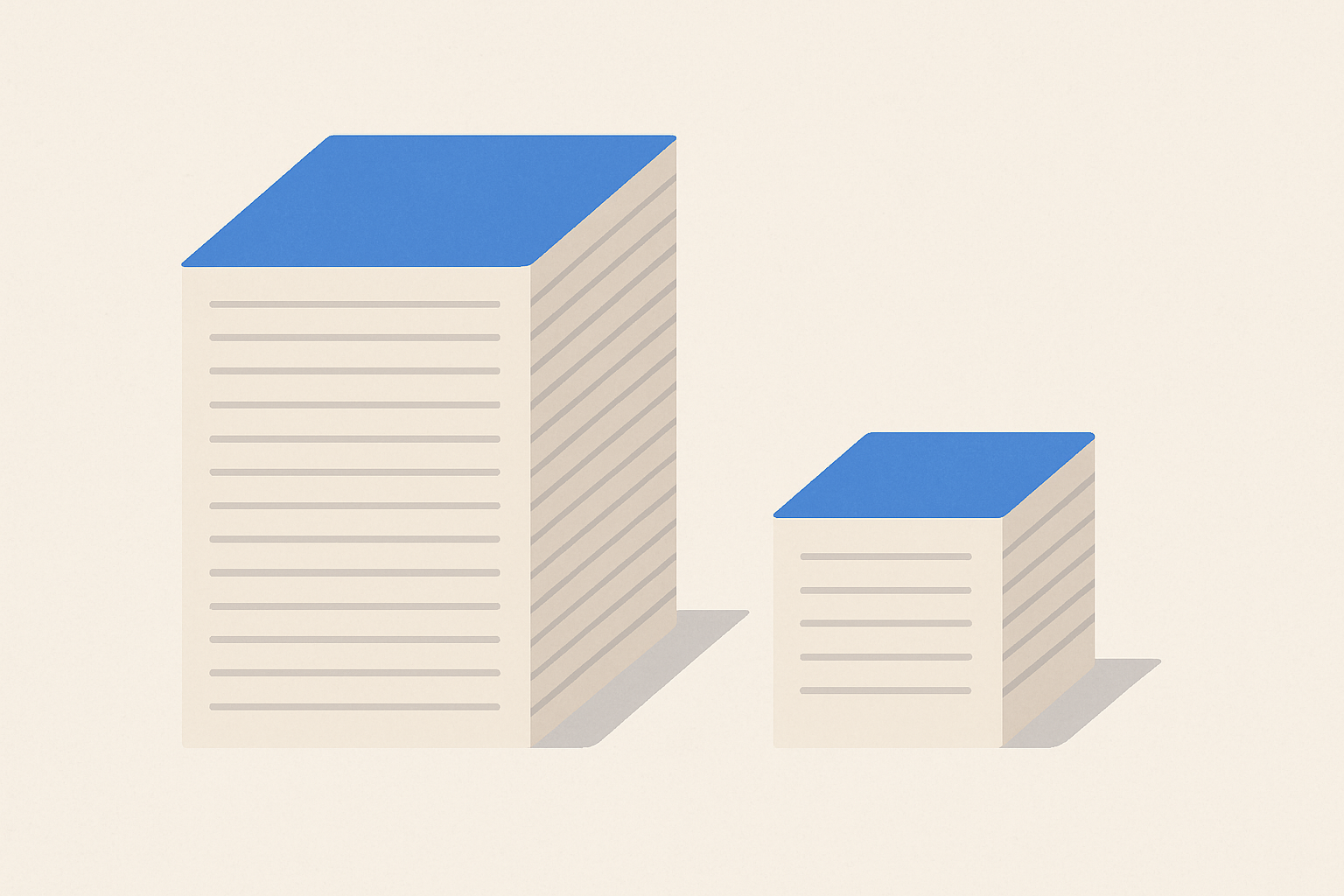
The real question is: which method is more likely to get you an interview? Public surveys and recruiter polls suggest that full applications on LinkedIn convert to interviews at a higher rate than Easy Apply. Industry recruiters often report that Easy Apply conversion rates hover between 2% and 8%, while full applications can convert at 10% to 20% depending on the role and how well the resume matches the job description. The difference comes down to two things: signal of intent and resume targeting.
- Easy Apply: 2% to 8% interview rate (broad average, varies by industry)
- Full Application: 10% to 20% interview rate (with tailored answers and resume)
Full applications are more likely to be read by a recruiter, especially if you’ve taken the time to tailor your resume and responses. Easy Apply is faster, but your application may get lost in the shuffle unless your profile is a near-perfect match.
Pros and Cons: Easy Apply vs Full Application
- Pros: Fast, minimal data entry, good for applying to lots of jobs quickly.
- Cons: Lower interview rate, less opportunity to stand out, recruiters may view applications as less serious.
- Pros: Higher conversion rate, better for showing fit, allows for customization.
- Cons: Time-consuming, often requires multiple documents and detailed answers, can be frustrating at scale.
Deciding which approach to use depends on your priorities. If you are short on time and want to maximize reach, Easy Apply makes sense. If you are applying to a dream job, a full application is worth the effort.
How Automation Tools Affect Your Results
Automation tools have changed the way job seekers approach both Easy Apply and full applications. Chrome extensions and web apps like Appycan, Sonara, JobCopilot, and LazyApply can automatically submit Easy Apply applications for you. These tools store your answers to common questions, fill out applications in bulk, and sometimes generate AI-written cover letters. For full applications, automation is less reliable: most company portals are not standardized, and automated tools struggle with unique forms, required uploads, and one-off assessments.
Easy Apply Automation: Volume at Scale
Automating Easy Apply lets you send hundreds of applications with minimal effort, increasing your chances of landing an interview simply by numbers. However, this may further lower your conversion rate per application, as recruiters are aware of auto-applying tactics. Still, if your resume matches the job, some interviews will come through.
Full Application Automation: Limited and Risky
Some tools claim to automate full applications, but results vary. Company portals change frequently, and automation can break or miss required fields, leading to incomplete applications. This is why most automation tools focus on Easy Apply, where the format is predictable.
How Appycan Handles Easy Apply vs Full Applications
Appycan is designed to automate Easy Apply submissions on LinkedIn. It stores your resume, answers to common questions, and (on higher plans) generates AI-written cover letters. While it cannot automate full applications on external company portals, it helps job seekers who want to balance speed with some degree of customization, especially when applying to high volumes of jobs each week.
Best Practices: Maximizing Your Interview Chances
If your goal is to maximize interviews, use Easy Apply for volume and save full applications for jobs you really want. Here are some strategies:
- Use Easy Apply (with or without automation) for most jobs in your target field.
- Take the time to do full applications for jobs that are a perfect fit or at top companies.
- Customize your resume and cover letter for each full application.
- Track your applications and follow up when possible.
- Use automation tools to save time, but don’t rely on them for your most important submissions.
For many job seekers, the best approach is a mix: apply broadly with Easy Apply, then go deep on the roles that matter most.